
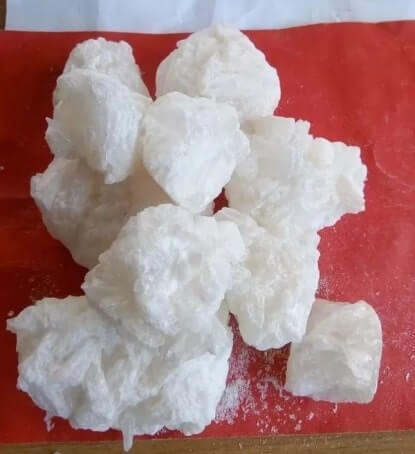
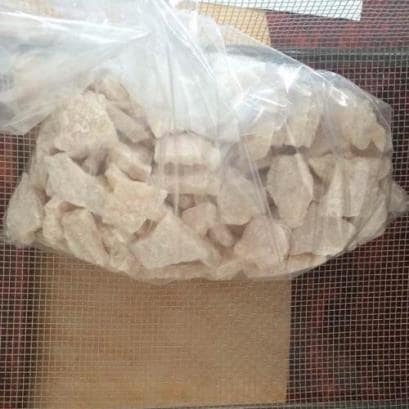


Buy MDMA Crystal Online
- MDMA is a synthetic substance commonly known as ecstasy, although the latter term has now been generalized to cover a wide range of other substances.
- Originally developed in 1912 by the Merck chemical company, it was never marketed as such.
- Although proposed as an aid to psychiatric counseling, therapeutic use is extremely limited.
- Illicit it is normally seen as tablets, many of which are manufactured in Europe.
- It acts as a central nervous system (CNS) stimulant and has a weak hallucinogenic property more accurately described as increased sensory awareness.
- It is under international control.
Physical Forms:
- It has become widely known as ecstasy. Shortened “E”, “X”, or “XTC”.
- Usually referring to its tablet form, although this term may also include the presence of possible adulterants or dilutants.
- The UK term “mandy” and the US term “molly” colloquially refer to MDMA in a crystalline powder form that is thought to be free of adulterants.
- MDMA in combination with other drugs such as alcohol or marijuana.
- It increases the activity of three brain chemicals:
- Dopamine causes a surge in euphoria and increased energy/activity
- Norepinephrine increases heart rate and blood pressure, which are particularly risky for people with heart and blood vessel problems-
- Serotonin affects mood, appetite, sleep, and other functions.
- It also triggers hormones that affect sexual arousal and trust.
- The release of large amounts of serotonin likely causes the emotional closeness, elevated mood, felt by the users.
Pharmacology:
- Whereas phenethylamines without ring substitution usually behave as stimulants, ring substitution (as in MDMA) leads to a modification in the pharmacological properties.
- Ingestion of it causes euphoria, increased sensory awareness, and mild central stimulation.
- It is less hallucinogenic than its lower homolog, methylenedioxyamphetamine (MDA).
- The terms empathogenic and entactogenic have been coined to describe the socializing effects.
- Following ingestion, most of the dose of it is excreted in the urine unchanged.
- Major metabolites are 3,4-methylenedioxyamphetamine (MDA) and O-demethylated compounds.
- Following a dose of 75 mg, the maximum plasma concentration of around 0.13 mg/L is reached within two hours.
- The plasma half-life is 6–7 hours.
- In animals, it causes neurotoxicity, as evidenced by anatomical changes in axon structure and a persisting reduction in brain serotonin levels.
- The significance of these findings to human users is still unclear, although cognitive impairment is associated with ecstasy use.
- Some of its pharmacodynamic and toxic effects of it vary, depending on which enantiomer is used. However, almost all illicit ecstasy exists as a racemic mixture.
- Fatalities following a dose of 300 mg have been noted, but toxicity depends on many factors, including individual susceptibility and the circumstances in which it is used.
Be the first to review “MDMA Crystal”
Related products

Stimulants
$230.00

Stimulants
$190.00


Stimulants
$260.00

Stimulants
$245.00

Stimulants
$200.00


Stimulants
$230.00


Stimulants
$260.00


Stimulants
$240.00
Reviews
There are no reviews yet.